By Teamsoh Construction LTD · Updated 19 November 2026
Why hallways are different
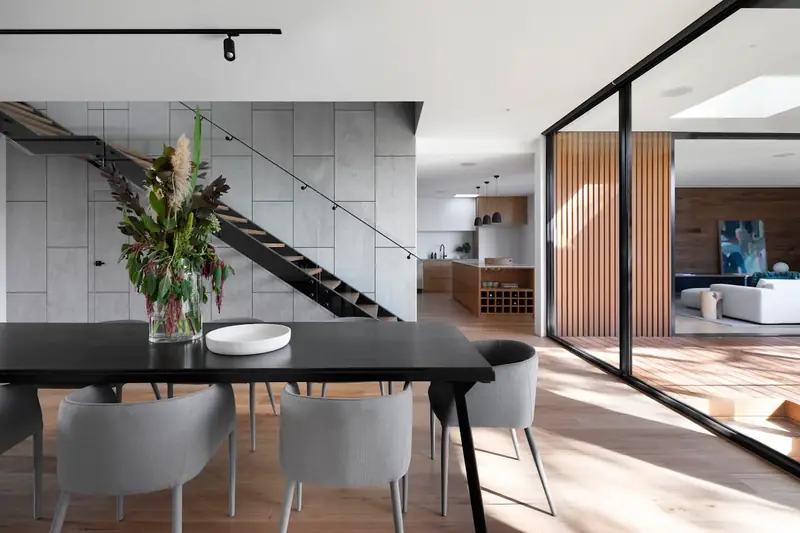
The hallway is the first thing you and your visitors see, and the part of the house that takes the most knocks. In the Victorian and Edwardian terraces common across Putney, Wandsworth, Fulham and Chiswick, the stairwell is often two or three storeys high, with cornicing, a dado rail, panelled doors and painted banisters.
Step by step: how we approach it
1. Safe access
Tall stairwells need a stair platform or tower so walls and ceilings can be reached safely without leaning ladders on fresh paint. We set this up so the stairs stay usable.
2. Protection
Stair carpets, hall floors and the front door area are covered, and the route to the kitchen is kept clear if the family is at home.
3. Preparation
- Fill hairline cracks — common where old lath-and-plaster meets newer plaster
- Sand and key old gloss on banisters, spindles and skirting
- Spot-prime any bare plaster or repairs
- Caulk gaps along skirting and architraves for a crisp line
4. Ceilings and walls
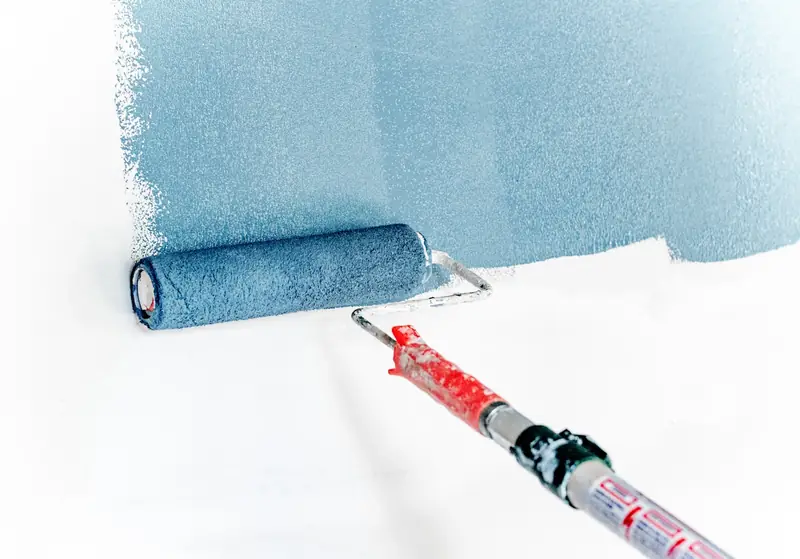
Ceilings first, then walls. For busy hallways we recommend a durable, wipeable finish — scrubbable matt or eggshell — so marks can be cleaned instead of repainted.
5. Woodwork last
Banisters, spindles, handrail, skirting and doors are finished last, in satin or gloss, so walls aren't marked afterwards.
Colour tips for period hallways
- Lighter colours help narrow, north-facing hallways feel brighter.
- A darker, harder-wearing colour below the dado rail hides scuffs.
- Painting the handrail a contrasting colour to the spindles gives a classic finish.
- Choose one woodwork colour for the whole house to make future touch-ups easy.
How long does it take?
A typical three-storey Victorian hallway, stairs and landing takes around 3–5 days including preparation and drying time, depending on condition and the amount of woodwork. You'll get a timeline with your written quote.
One SW18 customer who had their hallway painted by us wrote on Checkatrade: “Would highly recommend. They did an excellent job. Very efficient and professional from start to finish.” Read more reviews or see our painting & decorating service.